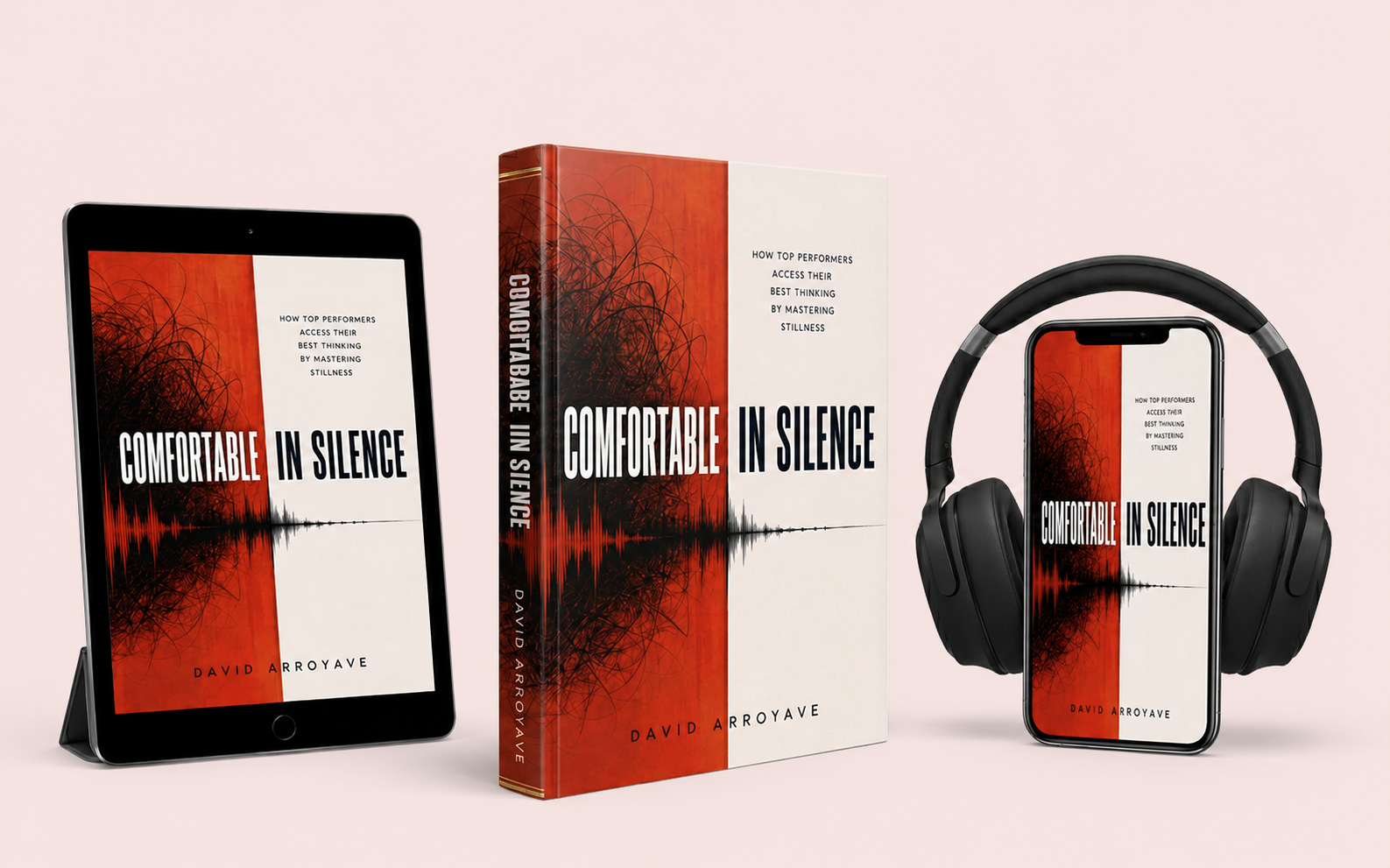
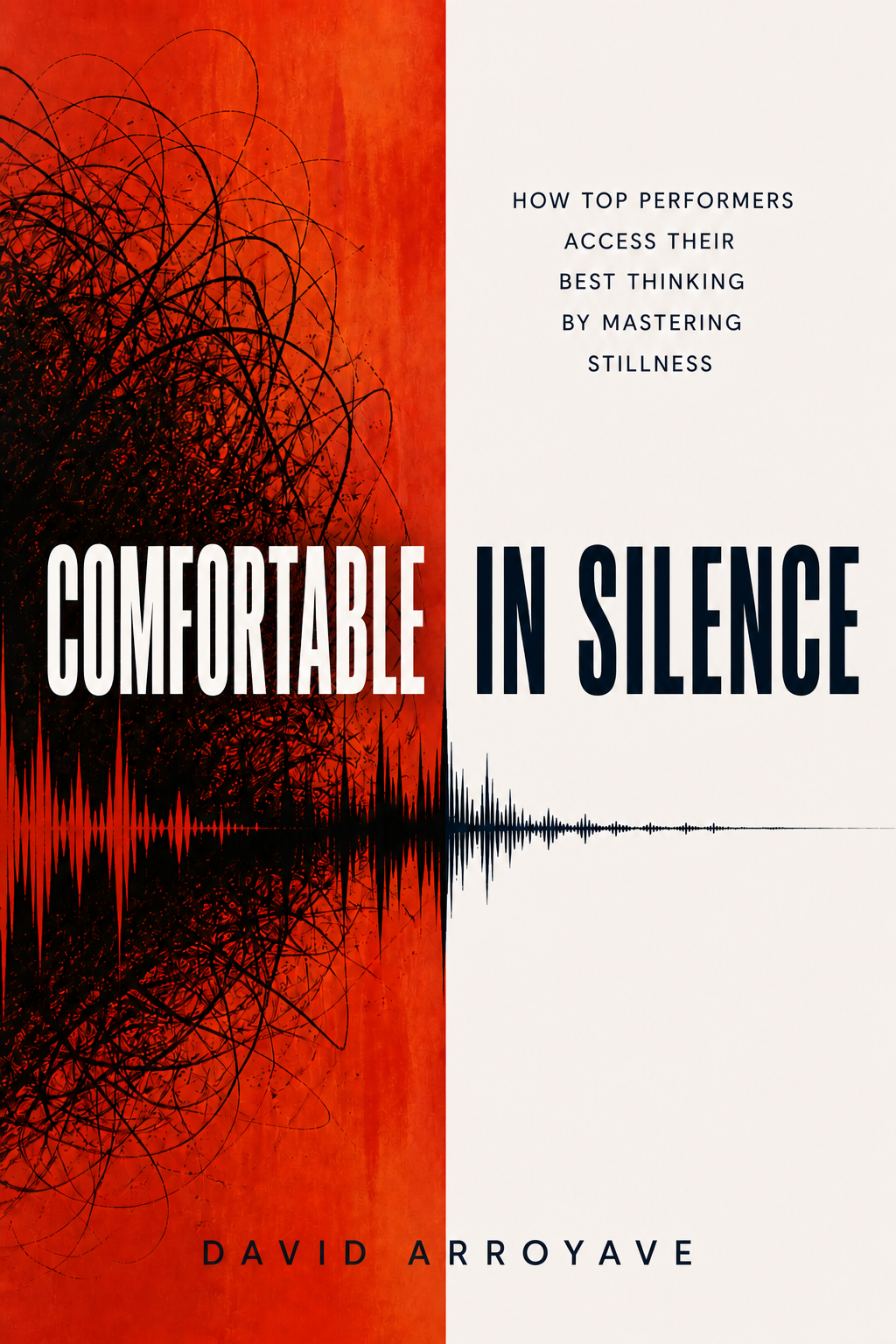
Comfortable in Silence: How Top Performers Access Their Best Thinking by Mastering Stillness
— A book on ambition, edge and finding true FULFILMENT —

More in the Bank. Less Noise in Your Head. A Life You Don't Need to Escape From.

Learn the one skill separating whoever's actually winning from everyone still grinding.

Yes! Send me a copy — $20
Ebook only · Instant download

You already know something is off.

Not with your output. Not with your discipline. On paper, everything may look the way it's supposed to. But underneath the productivity, there's a hum you can't quite silence. A restlessness that follows you into the evenings. A sense that you're moving fast but not actually arriving anywhere.

You sit down for a rare quiet moment and within sixty seconds you've reached for your next distraction. Not because anything urgent happened. Just because stillness felt wrong somehow. Uncomfortable. Like a room with no air in it.

Your mind goes somewhere else at dinner. During a conversation with someone you love, you're already gone, crawling into some anxiety that has nothing to do with the table you're sitting at. You could be on vacation, somewhere you saved for and looked forward to, and there it is anyway, that thing underneath, still running. You've tried fixing it. The apps. The morning routine. The discipline of going to bed on time. Some of it helped, briefly. But something deep inside hasn't clicked yet, and no matter what you do, that sting is still there, waiting for the first quiet second to remind you it never left.

Here's the part that matters this isn't a focus problem. It isn't burnout. It isn't stress management. Some of you call it depression or chronic anxiety and numb it. Some of you stopped noticing it at all, you've normalized the scatteredness, told yourself this is just what driven feels like. It isn't. You've built a dependency on constant mental stimulation, and it's standing between you and everything you're actually capable of.

The one thing monks, Artists, elite traders, and all top performers share

David Arroyave spent years studying people who perform at the outer edge of what's possible. Athletes. Surgeons. Traders. Monks. Mystics. Researchers. Etc.

Different worlds, different methods, different vocabularies. But one thing kept surfacing underneath all of it.
Peak performance and deep stillness are not opposites. They arrive together.

The surgeon whose hands move before the decision fully forms. The trader who sees the market shift before the analysis catches up. The athlete in the final seconds where time bends, the crowd disappears, and the body executes something the thinking mind could never have choreographed.

Researchers call it flow. Researchers call it the source code of ultimate human performance. What they all found is the same thing: in these moments the inner critic goes offline. The noise drops out. And something underneath takes over that is faster, cleaner, and more precise than anything conscious effort can produce.

None of them are thinking harder. They've gone quieter.

The more you rely on constant mental engagement to feel productive, the further you get from that place. 

And here's what nobody talks about. The game of life and the capitalism we operate in reward you vastly for exactly this. Not your hustle. Your edge. The ones who have learned to access genuine stillness under pressure are playing a different game entirely from everyone grinding on the surface.

More input is not the solution. It is the problem.

The Science Is Clear

Your Brain Is Not the Problem. What You've Been Doing to It Is.

In peak performance states, the brain's self-monitoring regions go completely quiet. Not louder. Silent. The research is unambiguous: your best thinking has never come from thinking harder. It came from the moments the noise stopped.

The source is a specific, conditioned nervous system pattern: something in you has learned to associate mental noise with safety and stillness with threat. Every technique that works around this pattern instead of through it gives you temporary relief.

The only thing that changes a conditioned response is direct retraining. Not managing it. Rewiring it.

See, I Was Just Like You

I used to think the problem was too much stress. Too many thoughts. Too much pressure. My mind moved so fast that silence never felt like an option. If I wasn't occupied by something, work, goals, content, distraction, a low-level anxiety would start rising.

I thought that was normal. I was productive. Disciplined on the surface. In good shape. But underneath all of it, something felt fundamentally off. I couldn't be with myself without needing to escape into stimulation.

Over time it got worse. I was capable on the outside and running on fumes internally, stuck in the same loops most high performers know well: overthinking, over-analyzing, unable to shut it off even when everything looked fine from the outside.

I went looking for answers everywhere. Psychology, neuroscience, philosophy, different traditions and practices, anything that might actually reach the source instead of managing the symptoms. That path eventually led me into direct ceremonial work with indigenous practitioners in Colombia working with ayahuasca.

What I found wasn't another technique. It was direct access to a state I used to only catch glimpses of, mid-workout, deep in a project, somewhere I couldn't consciously reach on demand. Suddenly it wasn't rare anymore. Thought stopped competing with itself. Action and awareness became the same thing. I wasn't managing my mind anymore. I was operating from somewhere underneath it.

That's when it clicked: this state isn't something you stumble into by accident. It can be accessed on demand, once the right framework is applied. 

Once we had that, our lives started improving rapidly, across areas that had nothing to do with each other. We weren't guessing anymore. We were pushing the right buttons, and the right things kept happening.
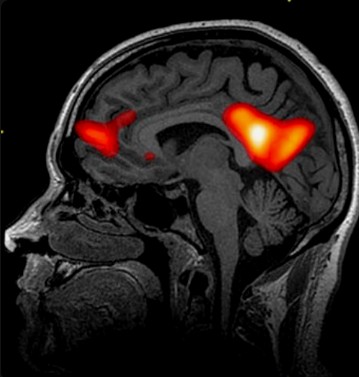
Stillness Is Not Passivity. It Is the Source.

Real clarity emerges there. Real creativity emerges there. The decisions that hold up under pressure, the insights that change the direction of a company or a life — these don't come from harder thinking. They come from a quality of awareness that constant stimulation makes inaccessible.

Think of it this way. When a lake is stirred up, you can't see the bottom. The bottom is always there. The water isn't broken. It's just been disturbed long enough that you've forgotten the lake has a bottom at all.

The Inner Authority Development Process is a training system that rebuilds your capacity for stillness. Not through meditation as a productivity supplement. Through a structured, direct engagement with the actual conditioned pattern making silence feel threatening — moving it from something you escape into a place you operate from.

Claim your copy of Comfortable in Silence — $20
Ebook only · Instant download

The Five Pillars Of Embodied Performance

Inside the book, the work unfolds across five pillars. These aren't concepts to understand intellectually. They are a sequence of direct experiences, each one building on the last.

01
Steadying the Mind (Dhyana)
You don't stop thoughts. You learn to observe them without being pulled in. A stable point of awareness forms underneath all the mental activity — and that stability is what makes everything else possible.
02
Detachment from Outcomes (Vairagya)
Not indifference. The ability to act with full intensity without your internal state depending on how things unfold. You stop making decisions from desperation and start making them from a center that external results can't shake.
03
Rewiring Conditioned Patterns (Samskara-Parivartana)
Most of your reactions are scripts you never consciously installed. This pillar maps the conditioned beliefs generating those reactions and redirects the energy behind them — not through force, but through precise, repeated recognition.
04
Dissolution of Limiting Identity (Ahamkara-Nasa)
Your identity is not who you are. It is a collection of self-concepts creating a rigid frame around what you can perceive and how you can act. This pillar loosens that frame systematically and reveals what remains when it's no longer running the show.
05
Conscious Installation (Bhavana)
Peak states mean nothing if you can only reach them by accident. This pillar conditions expanded awareness into your baseline through deliberate visualization and genuine emotional engagement — until presence becomes your natural operating mode rather than a temporary experience.

What Others Are Saying

"I cannot express enough gratitude for the impact this has had on my life. Before, I never realized how powerful these techniques could be or how deeply they could help me connect with myself. Meditation is no longer just a practice. It's become a way of life. You've helped me find parts of myself that were hidden and opened my mind to a deeper connection with the world around me. This has genuinely changed my life."

— Maria, Business owner

"I can access and sustain that flow state far more consistently now. The clarity and emotional control let me approach both trading and life with a focused, intentional mindset."

— Sebastian a, retail stocks trader

"For the first time in a long time, my mind found silence. Not empty silence, but the kind that feels like deep relief, like putting down something you didn't know you were carrying."

— isabella n, pROFESSIONAL DESIGNER 

"I came into this program not really knowing why. I knew I wanted to feel fulfilled and content in my life, but I didn't know how I'd get there. Through David's wisdom, insights, expertly crafted practices and guidance, I've become much more attuned to that still point within myself. Some mornings I really feel that stillness at my core, and I have much more clarity and focus to move forward with my business and my life in an aligned way. This program is genuinely changing how I relate to life. It's an ongoing journey, and I'm grateful to be on it with him."

— dAVID l, Specialist OCD Recovery Coach

The Shift Is Real, and It's Available Now

Not someday. Not after the right circumstances line up. Not once the business stabilizes or the schedule clears or things finally slow down. The state you're chasing already exists inside you, underneath the noise you've mistaken for who you are.

You've been taught to treat that noise as normal. The restlessness, the compulsive need to fill silence, the low hum of never quite landing, all of it gets dressed up as ambition, as drive, as just what a serious life feels like. It isn't. It's a pattern, and patterns can be rewired.

This isn't about willpower or trying harder to fix what's already broken from the inside. It's about a direct path to what's been buried underneath it the whole time. The version of you that thinks clearly under pressure, that isn't run by old identities and reflexive fear, that can be fully present with the people you love instead of running calculations in the background, that version isn't a future project. It's available the moment the pattern shifts.

This book is the way back to it.


Claim your copy of Comfortable in Silence — $20
Ebook only · Instant download

What You'll Discover Inside

01
The Silent Death Nobody Talks About
Why the most driven, functional people are statistically the most disconnected from their own clarity — and why the strategies that got them here are exactly what keep them stuck.
02
The Stimulation Dependency Cycle
A clear map of how your nervous system learned to treat silence as dangerous — the precise loop running underneath every distraction habit you've ever tried to break.
03
The Five Walls Blocking Your Inner Authority
The specific misunderstandings — from grind culture to superficial mindfulness to the fear that stillness will make you slow — that keep high performers locked out of their own depth.
04
The Present Moment Performance Paradox
Why the highest-performing athletes, surgeons, and traders describe their peak states in identical terms — and why those states have nothing to do with thinking harder.
05
The Steadying the Mind Practice (Dhyana)
A precise twenty-minute drill, including the Tummo breathing technique used in Tibetan yogic practice, that gives your nervous system something different to run on.
06
How to Stop Fighting Your Patterns and Actually Rewire Them
Why suppression builds pressure that eventually collapses — and the recognition-based sequence that actually changes what fires automatically.
07
The Identity Dissolution Sequence (Ahamkara-Nasa)
A step-by-step practice drawn from the Neti Neti tradition that loosens your identification with limiting self-concepts and reveals the awareness underneath them.
08
The Triangle Installation Practice (Bhavana)
A visualization method for anchoring three chosen realities simultaneously, with a specific approach to extending the field beyond the body so the state holds when the pressure is real.
09
The Four Non-Negotiables
The patterns that derail people who are already doing the work — and the honest profile of who transforms most completely and why.
10
The Integration Stage
How the five pillars stop feeling like separate techniques and begin functioning as a living system of self-observation — and what becomes possible once you stop practicing presence and start living from it.

Is This Right For You?

This is NOT for those who —
  • Say they want to change but aren't actually willing to look at what's driving their own patterns.
  • Are comfortable being average and telling themselves that's fine.
  • Want the result without doing any of the actual work to get there.
  • Are looking for another productivity system or stress management technique to layer on top of the same habits that got them here.
This is for —
  • People with real ambition. Those who know there's no ceiling on what they're capable of but have felt capped by something they can't quite name.
  • Those who've spent years trying to outrun the discomfort of their own mind, through work, through achievement, through anything that keeps them moving.
  • People who've amounted to something real and can still see, clearly, that it hasn't solved what they thought it would.
  • Those who've tried to change before. Read the books. Tried the habits. Meant it every time. And still ended up back at the same internal starting point.

Frequently Asked Questions

Isn't this just another meditation book?
The book uses meditation as a training tool, but that's a small part of what it covers. The focus is on a specific conditioned pattern — stimulation dependency — that no amount of sitting still will resolve on its own. The work integrates neuroscience, contemplative traditions including Buddhist and Vedic frameworks, and direct practice in a way that targets the actual mechanism, not the symptoms.
Do I need prior experience with meditation or spirituality?
No. David's approach doesn't ask you to adopt any belief system. It explains exactly why each technique works, which means you can run it through your own framework and make it yours. A trader and an architect will use it differently. The mechanism underneath doesn't change.
How quickly does something actually shift?
The people David works with consistently notice changes within days or weeks. Not because the deep work is complete by then, but because clearing mental interference produces immediate effects on perception and decision-making. The clarity doesn't arrive on a schedule. It shows up when the noise clears.
I've tried mindfulness apps and retreats. Why is this different?
Apps and retreats work within a controlled environment. They don't necessarily rebuild your underlying capacity for stillness in the conditions where you actually live. This book addresses the physiological conditioning that makes silence feel threatening, which is why temporary interventions provide temporary relief. The goal here is permanent recalibration, not managed symptoms.
What if I don't have time for a long daily practice?
The book is direct about this: twenty minutes every day compounds faster than an hour practiced inconsistently. The practices are designed to fit inside a real schedule, not a retreat schedule. The four non-negotiables chapter addresses this honestly, including the avoidance pattern disguised as time constraints.
Will this make me less driven or less effective at work?
The performance paradox the book covers in detail is precisely this fear. Less mental interference doesn't produce less output. It produces clearer output. The goal is not to slow you down. It is to remove what's making you slower than you actually are.
David Arroyave

David Arroyave.

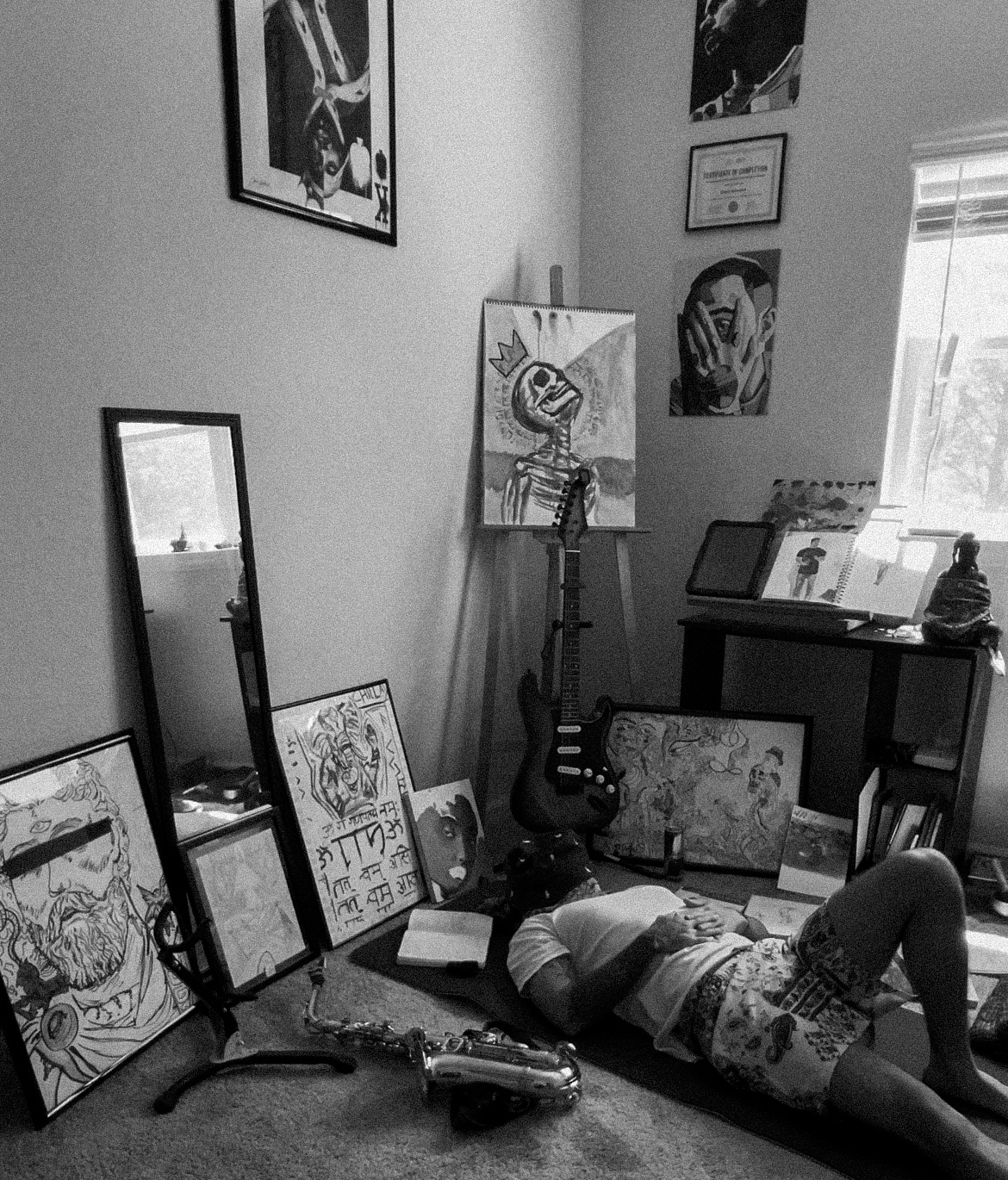
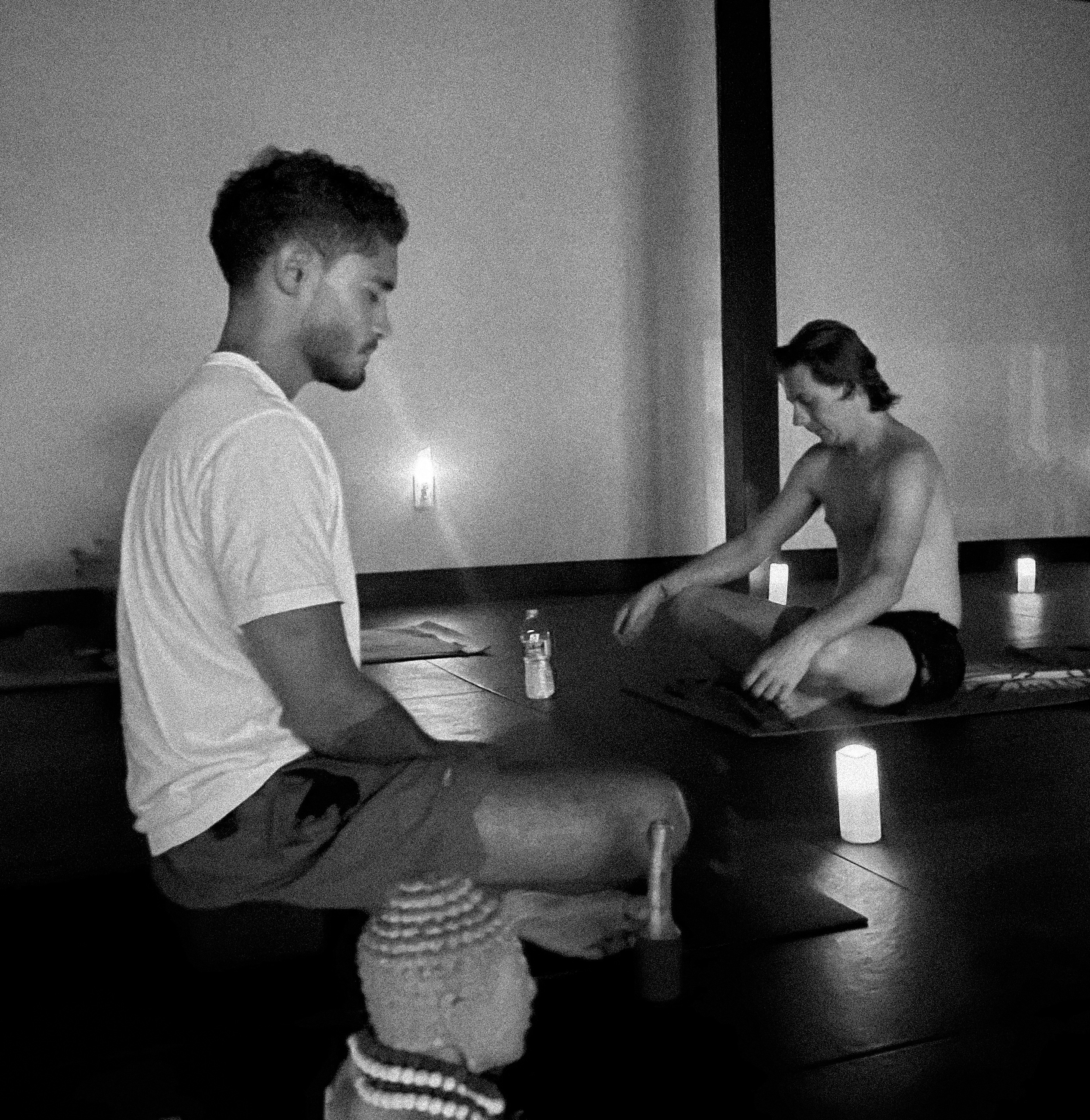
David Arroyave is a mindfulness and performance coach, artist, and the author of Comfortable in Silence. He is a certified teacher through Dharma Moon and Tibet House, trained directly under senior Buddhist teacher David Nichtern. His approach draws from neuroscience, contemplative traditions, and direct ceremonial work with indigenous practitioners in Colombia.

His framework has been tested with high performers across multiple disciplines, including traders, professionals, and business owners who had already tried everything else.

He operates from one core belief: ambition and peace are not opposites. They are the same force, finally pointed in the right direction.

THE VERSION OF YOU THAT CLOSES THIS BOOK HAVING ONLY READ IT IS INDISTINGUISHABLE FROM THE VERSION THAT OPENED IT.

Stop settling for a life you're not comfortable inside of. 
The answer is closer than you think. it always was.
Don't be the version that read this and did nothing.

Claim your copy of Comfortable in Silence. Pay only for the book.

Yes! Send me a copy — $20
Ebook only · Instant download